What to Do If You’re Injured at a Hotel or Resort in Miami
Do you know who is liable if you are injured at a hotel or resort? You have booked the dream vacation. The resort looks amazing, the pool glistens in the sun, and everything seems picture-perfect—until it is not. Maybe you slip near the pool, fall down a staircase, or worse, experience an assault in a dim hallway. What happens next can be overwhelming: injuries, confusion, silence from the hotel staff, and a mountain of paperwork.
Table of Contents
In Miami, where tourism is booming, these incidents are more common than you might think. But when you are injured at a hotel or on someone else’s property, you may have more rights than you realize.

What Is Premises Liability?
Premises liability is a legal concept that holds property owners accountable for injuries caused by their negligence. This can include:
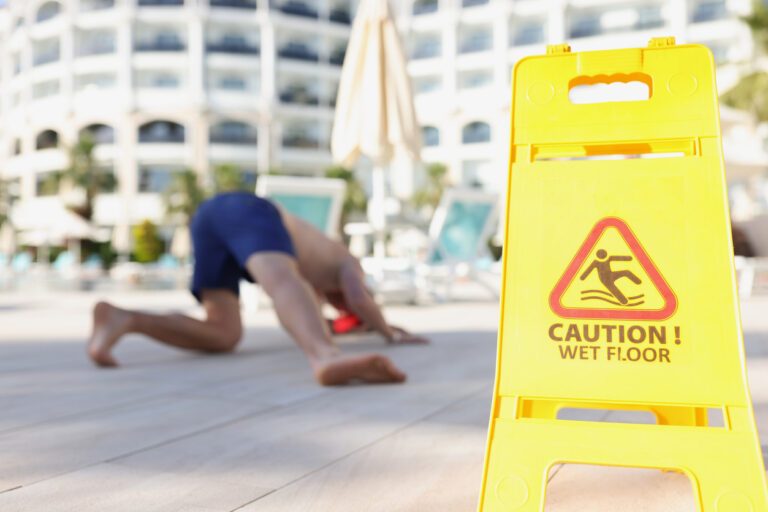
- Slippery or wet floors
- Broken or poorly maintained staircases
- Inadequate lighting
- Lack of security that leads to injury or crime
If you’re a guest at a hotel, shopping at a mall, or visiting a store, you’re considered an invitee. Under Florida law, property owners owe invitees the highest duty of care. They are expected to inspect for potential hazards and warn you about risks.
Why Miami Tourists Should Pay Attention
With numerous hotels, Airbnb rentals, condos, and resorts, Miami’s tourism industry presents numerous scenarios where negligence can lead to accidents. The more foot traffic a property gets, the higher the chance that something might go wrong, especially if the owner fails to maintain a safe environment.
What to Do After an Injury on Someone Else’s Property
If you are injured, your actions in the first few hours and days are critical. Here is what you need to do:
- Document Everything: Take photos and videos of the hazard that caused your injury.
- Get Witness Information: Collect names and contact information from anyone who witnessed the incident.
- File an Incident Report: Report the injury to property management immediately.
- Preserve Evidence: Understand that in these cases, evidence can disappear quickly. Hazards get cleaned, security footage is deleted, and conditions change.
- Keep Medical Records: Save copies of your hospital or doctor’s visit details, prescriptions, and diagnoses.
- Avoid Talking to Insurance Companies Alone: Never provide a statement without legal counsel. Insurance adjusters are trained to protect the company, not you.
Real Example: Condo Staircase Fall Leads to Major Settlement
Consider this real-life case: a condo resident fell while walking down a concrete staircase. He fractured his hip and needed surgery. Doctors said he would live with pain for the rest of his life.
An investigation into the condo’s management revealed they had ignored repeated complaints from residents about unsafe conditions. That information helped secure a six-figure settlement for the injured client.
This case demonstrates that even when large corporations or property owners attempt to evade responsibility, the law provides victims with the means to fight back.
Your First Steps Matter Most
If you have been injured on someone else’s property, remember:
- Premises liability exists to hold negligent property owners responsible
- Early documentation and medical care are essential