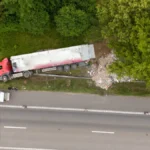
Fighting Trucking Companies After a Fatal Accident: What Families Should Know About Wrongful Death Cases in Florida
When a commercial truck causes a fatal accident, families face far more than grief. In many cases, they are up against large trucking companies with significant resources, experienced defense lawyers, and insurance carriers acting quickly to limit liability. These are among the most challenging cases in personal injury law.
Table of Contents
Wrongful death claims involving commercial trucks require careful strategy. Trucking companies operate under federal and state regulations, and when those rules are ignored, the consequences can be catastrophic. Understanding how these cases work — and how quickly evidence can disappear — is critical for families seeking accountability.

Why Truck Accident Wrongful Death Cases Are Different
Wrongful death claims involving commercial trucks are far more complex than standard car accident cases. Trucking companies often have legal teams ready to respond immediately and insurers trained to minimize exposure. Early contact with insurance adjusters can be confusing and potentially harmful if families do not understand their rights.
Families seeking guidance after a fatal truck crash may find it helpful to review additional resources about wrongful death cases or learn more about how serious injury claims are handled through the firm’s personal injury practice.
A Case Involving Distracted and Fatigued Driving
In one wrongful death case involving a commercial truck, the driver was distracted by cell phone use and severely fatigued from excessive work hours. Expert analysis later determined the driver’s exhaustion produced impairment comparable to intoxication. He failed to notice slowing traffic and struck the rear of another vehicle, causing serious injuries and long-term consequences for the family.
Cases like this illustrate why trucking claims often depend on evidence that is rarely relevant in typical car accidents, including driver logs, electronic control module data, and maintenance records.
Preserving Evidence After a Fatal Trucking Accident
Preserving evidence quickly is essential. Trucking companies often act within hours to protect themselves. Legal counsel can issue a spoliation letter requiring the preservation of key materials, including driver logs, electronic data, and maintenance records. Without timely intervention, evidence may be lost permanently.
Crash scene details are equally important. Photographs, witness information, traffic conditions, and roadway features can play a crucial role in reconstructing the events and determining liability in commercial truck accidents.
Why Families Should Avoid Direct Communication With Insurers
Many families do not realize that speaking directly with a trucking company or insurance adjusters can jeopardize a wrongful death claim. Adjusters aim to resolve claims quickly and for minimal compensation. Once a settlement is accepted, the claim is closed — even if the full financial and emotional impact has not yet been determined.
Having experienced legal representation ensures that communication is handled appropriately and that families fully understand their rights before decisions are made.
Holding Trucking Companies Accountable
Wrongful death claims can extend beyond the driver to include the trucking company itself, especially if there are failures in hiring, training, supervision, scheduling, or vehicle maintenance. Experienced attorneys coordinate accident reconstruction, review compliance with federal trucking regulations, and pursue claims against all responsible parties. This approach ensures families not only receive compensation but also accountability for the loss they endured.
Additional information about wrongful death claims and other personal injury cases can be found in the firm’s blog resources.
Moving Forward After a Fatal Truck Accident
Losing a loved one in a trucking accident is devastating. Families should not face a powerful commercial carrier alone. Wrongful death claims provide a pathway to accountability and financial stability after a preventable tragedy. Understanding the legal process and available options early can make a meaningful difference.